Facility Division
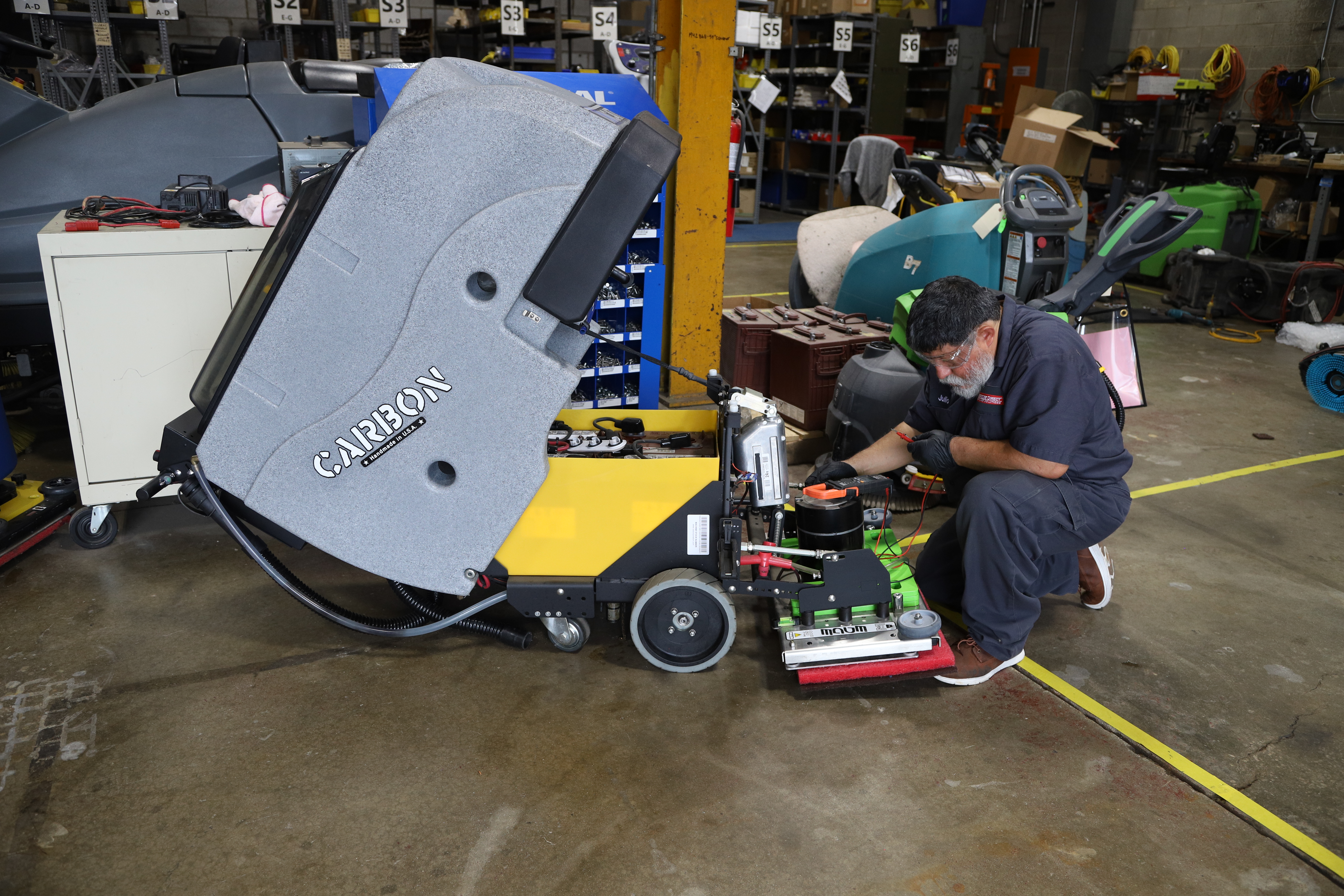
Your one-stop partner for Janitorial Supplies, Expert Equipment Repair, Preventive Care, and Free Programs.
Explore our Facility Division Microsite to see everything we have to offer. Whether you’re a new or returning customer, we’re continually adding new partners and developing programs to better serve you.
19 categories


.png)
).png)
{{ current_message }}
FAQs for Warehouse Direct
Monthly janitorial supply costs depend mostly on facility size, traffic, and how many restrooms are in play. For our region, here’s a realistic breakdown for consumables—things like paper products, liners, soap, chemicals, and floor finish:
Small offices (under 5,000 sq ft): $150–$300/month
Medium facilities (5,000–20,000 sq ft): $400–$900/month
Large facilities (20,000–50,000 sq ft): $1,200–$2,500/month
These ranges reflect actual usage we see in the field, not theoretical minimums. Restroom traffic and headcount are usually the biggest cost drivers. We offer free facility assessments to dial in a true budget for your building.
For consumables only (not labor), most facilities spend roughly $0.01–$0.03 per square foot per month:
Standard office environments: about 1–1.3¢/sq ft/month
Schools, healthcare, and foodservice: about 2–3¢/sq ft/month
Warehouses or light industrial: toward the lower end of the range
Example: a 10,000 sq ft office typically budgets $100–$300 per month for supplies depending on restroom and shift activity. For reference, full janitorial service contracts that include labor usually run closer to $0.09–$0.25 per sq ft monthly depending on the facility type.
Equipment prices vary by size and feature set, but here are solid 2024–2025 market ranges:
Walk-behind floor scrubber: $3,500–$7,000
Rider or stand-on scrubber: $11,000–$25,000
Commercial HEPA vacuum: $400–$1,000
Carpet extractor: $800–$3,000
Burnisher or buffer: $500–$2,000
We can demo machines on-site to ensure the right size match. Many customers take advantage of leasing or our supply-based equipment programs to offset machine costs.
Buy when the machine gets regular use—daily or weekly items like vacuums or autoscrubbers pay for themselves fast through labor savings. Renting or short-term programs make more sense for one-off or seasonal jobs like carpet extraction or deep scrubbing. We often recommend a mix: own your core gear and rent specialty units only when needed.
Scrubbers wash floors—solution down, brushes clean, and vacuum recovery removes dirty water. Burnishers (or buffers) run at high speed to polish and restore shine. Most buildings need both: scrub periodically to clean, burnish regularly to maintain gloss.
Match machine width and type to the space:
Under 10,000 sq ft: Compact (14–18") walk-behind for tight spaces and restrooms
10,000–30,000 sq ft: Mid-size (20–26") walk-behind
30,000–75,000 sq ft: Large walk-behind or small rider (26–32")
75,000+ sq ft: Full-size rider or stand-on (32" and up)
These recommendations match current production rates—roughly 20,000–30,000 sq ft per hour for a 20" unit.
It depends on foot traffic and how you want the floors to look:
High-traffic (lobbies, cafeterias, hallways): daily or every other day
Moderate traffic (offices, classrooms): 1–2× per week
Low-traffic areas: weekly or biweekly
If you maintain a gloss finish, plan to burnish several times a week between scrubs. We can help build a floor-care schedule that fits your environment.
It depends on your mix of flooring and how fast you need to cover ground:
Carpet: Upright or backpack HEPA vacuums (e.g., CarpetMaster 215, RBV
Mixed surfaces: Cordless backpack or combo vacuums
Focus on durability, suction power, HEPA filtration, and comfort. We can show options that match
150NX)
Hard floors: Wide-area vacuums or sweepers
your facility layout and cleaning crew size.
A solid chemical lineup covers these bases:
All-purpose cleaner
Glass cleaner
EPA-registered disinfectant
Floor cleaner and finish system
Restroom cleaner (bowl/tile/fixture)
Degreaser (kitchens and shop areas)
Neutral pH cleaner (daily maintenance)
Closed-loop dilution systems take the guesswork out of mixing and typically cut chemical costs by up to 30% versus ready-to-use products.
Cleaning removes dirt, dust, and some germs using soap or detergent and water. Disinfecting kills remaining germs with EPA-registered products. Surfaces must stay wet for the full contact time (usually 3–10 minutes) to be effective. Focus disinfecting on high-touch points like handles, switches, restrooms, and shared tools.
Yes—modern EPA Safer Choice and Green Seal products perform just as well as traditional cleaners while improving indoor air quality and reducing exposure risk. Many of our customers run nearly all-green programs without sacrificing results.
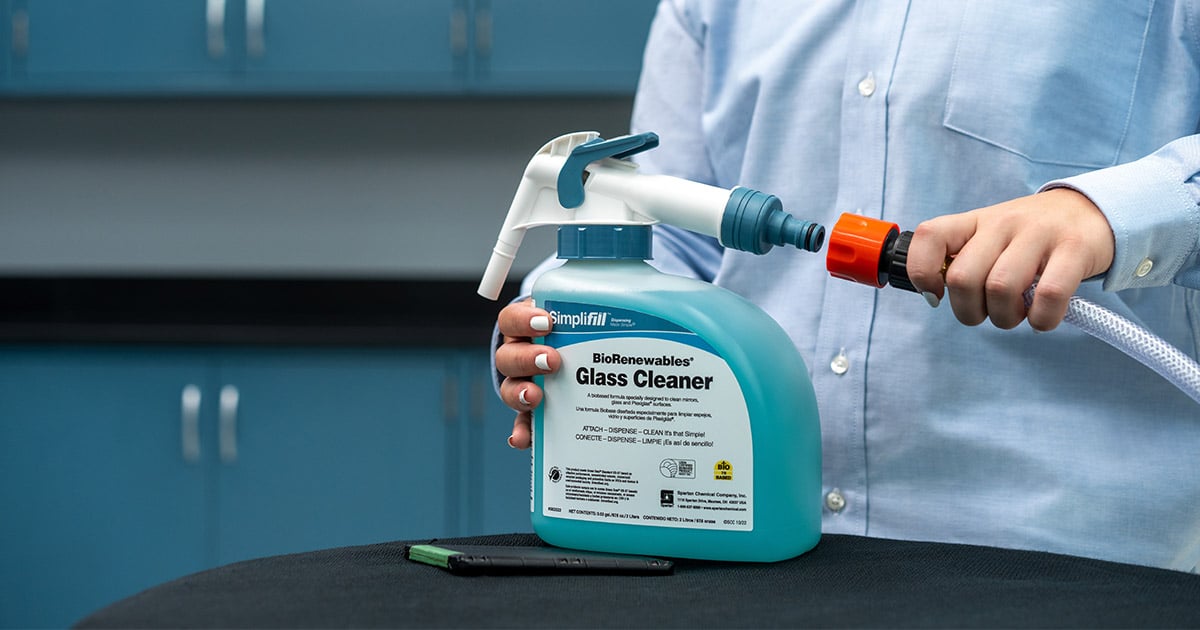
Dispensing systems mix concentrated chemicals at the proper dilution automatically—either wall-mounted or portable. They eliminate overuse, improve safety, and can lower chemical spend by roughly 30%. Staff never handle concentrate directly, which helps with training and compliance.
Questions About How We Can Help You?
Serving Chicagoland workplaces since 1979 — reach out and we'll help you with the right supplies, equipment, service or interiors.
Facility Equipment

.png)
Productivity Day
Live, on site demos tailored to your team with hands on training with top equipment & products.
Learn More
Janitorial Product Brands